
Understanding gambling A beginner's guide to the essentials
What is Gambling?
Gambling is the act of risking money or valuables on an event with an uncertain outcome, typically aimed at winning additional money or valuables. It encompasses a wide range of activities, from playing card games and betting on sports to participating in lotteries and slot machines. The thrill of gambling lies in the uncertainty and the excitement of potentially winning a substantial reward, which is why many players enjoy visiting Le Fisherman casino United Kingdom.

For beginners, understanding the fundamentals of gambling is crucial. This includes recognizing the different types of gambling games, the odds associated with them, and the potential risks involved. It’s essential to approach gambling with a clear mind, ensuring that it remains an entertaining pastime rather than a financial burden.
The Types of Gambling
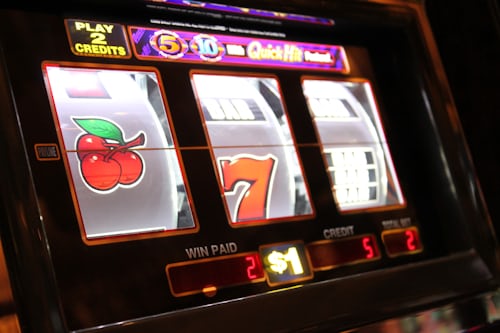
Gambling can be broadly categorized into two types: games of chance and games of skill. Games of chance, such as slots and lotteries, rely primarily on luck. Players have little control over the outcome, making them straightforward and accessible for novices. On the other hand, games of skill, such as poker or blackjack, require strategic thinking and knowledge, offering players the opportunity to influence their odds.
Additionally, gambling can take place in various environments, from traditional brick-and-mortar casinos to online platforms. Each environment offers unique experiences and benefits, allowing players to choose what suits them best. Online gambling has surged in popularity due to its convenience and the variety of games available at one’s fingertips.
Understanding the Risks
While gambling can be enjoyable, it is essential to acknowledge the risks involved. Many individuals may underestimate the potential for loss and may find themselves in financial trouble if they do not set limits. Responsible gambling practices, such as budgeting and time management, are vital for ensuring that the experience remains fun and does not become a problem.
It is also important to recognize the signs of gambling addiction. If gambling begins to interfere with personal relationships, work, or mental health, it may be time to seek help. Understanding these risks will enable beginners to approach gambling with a healthy mindset and make informed decisions.
Key Terms in Gambling
As with any activity, gambling has its own set of terminology that can seem overwhelming for beginners. Terms like “house edge,” “odds,” and “payout” are foundational concepts that players should familiarize themselves with. Understanding these terms will not only enhance the gaming experience but also aid in making smarter betting choices.
Moreover, many games come with specific rules and variations that may introduce additional terminology. Taking the time to research and learn these aspects will equip new players with the knowledge needed to navigate different games confidently and responsibly.
Your Journey in Gambling
Embarking on a gambling journey can be exciting and rewarding if approached correctly. Players should consider exploring different games to find what resonates with them, whether it’s the thrill of slots, the strategy of card games, or the unpredictability of sports betting. Each game offers a unique experience that can cater to diverse preferences.
For beginners, starting with free demos or low-stakes games can provide valuable experience without significant financial risk. This approach allows players to learn the ropes and develop strategies before committing to real money gambling. Ultimately, the goal should be to enjoy the experience while remaining aware of the fundamental principles of responsible gambling.