
The evolution of gambling A journey through history
Ancient Origins of Gambling
The roots of gambling stretch back to ancient civilizations, where various forms of chance were integral to cultural and social practices. Historical records suggest that as early as 3000 BC, the Chinese were using rudimentary dice for games of chance. The practice of casting lots for decision-making and fortune-telling is noted in many ancient texts, including the Bible. Such activities laid the groundwork for the more organized gambling forms we recognize today, including popular options found at an instant withdrawal casino.

Similarly, archaeological findings from ancient Egypt reveal that games involving betting were also popular among pharaohs and their subjects. These early forms of gambling served not only as entertainment but also as social bonding rituals. As societies evolved, the concept of gambling adapted, reflecting changes in cultural norms and economic structures, ultimately transforming into more sophisticated games of chance.
By the time we reach ancient Rome, gambling became a regulated activity. The Roman Empire introduced more structured forms of betting, including games played at public events. Gladiatorial contests and chariot races attracted vast audiences, with bets placed on the outcomes. This marked a significant shift towards the commercialization of gambling, setting the stage for the elaborate gambling establishments that would emerge in later centuries.
The Rise of Gambling in the Middle Ages
During the Middle Ages, gambling took on new dimensions, often intertwined with societal customs and leisure activities. The development of card games in Europe during the 14th century heralded a new era in gambling, with games like tarot and early versions of poker gaining popularity. These card games were often played in taverns and noble courts, showcasing a blend of strategy and chance that attracted players from all walks of life.
The growth of gambling was also influenced by the establishment of casinos in Italy. The first official casino, the Ridotto, opened in Venice in 1638, providing a regulated environment for gaming. This institution not only legalized gambling but also set standards for fairness and transparency. The concept of a dedicated space for gambling quickly spread throughout Europe, paving the way for modern casinos.
However, the rise of gambling wasn’t without its challenges. The Church often condemned gambling, viewing it as a vice that led to moral decay. Nonetheless, the popularity of games persisted, and by the late Middle Ages, legislation began to recognize gambling as a legitimate form of entertainment, reflecting a gradual shift in societal attitudes towards this once-taboo activity.
The Birth of Modern Gambling in the 19th Century
The 19th century marked a significant turning point in the evolution of gambling, characterized by the expansion of gaming establishments and the introduction of new technologies. The invention of the roulette wheel and the establishment of betting houses in France revolutionized the gambling landscape. This era saw the rise of horse racing as a major betting sport, leading to the formation of the first official racing tracks in the United Kingdom.
In America, the Gold Rush of the mid-1800s further fueled the gambling boom. Towns sprang up around mining sites, often featuring saloons that offered card games and dice games. The Wild West became synonymous with gambling, as notorious figures like Wyatt Earp and Doc Holliday made their names in saloons where fortunes were won and lost with the turn of a card.
This period also witnessed the emergence of lotteries as a means of funding public projects. Governments recognized the potential of lotteries to generate revenue without raising taxes, leading to their widespread legalization. By the end of the 19th century, gambling was firmly established in various forms, setting the stage for the explosive growth that would follow in the 20th century.
The Impact of Technology on Gambling
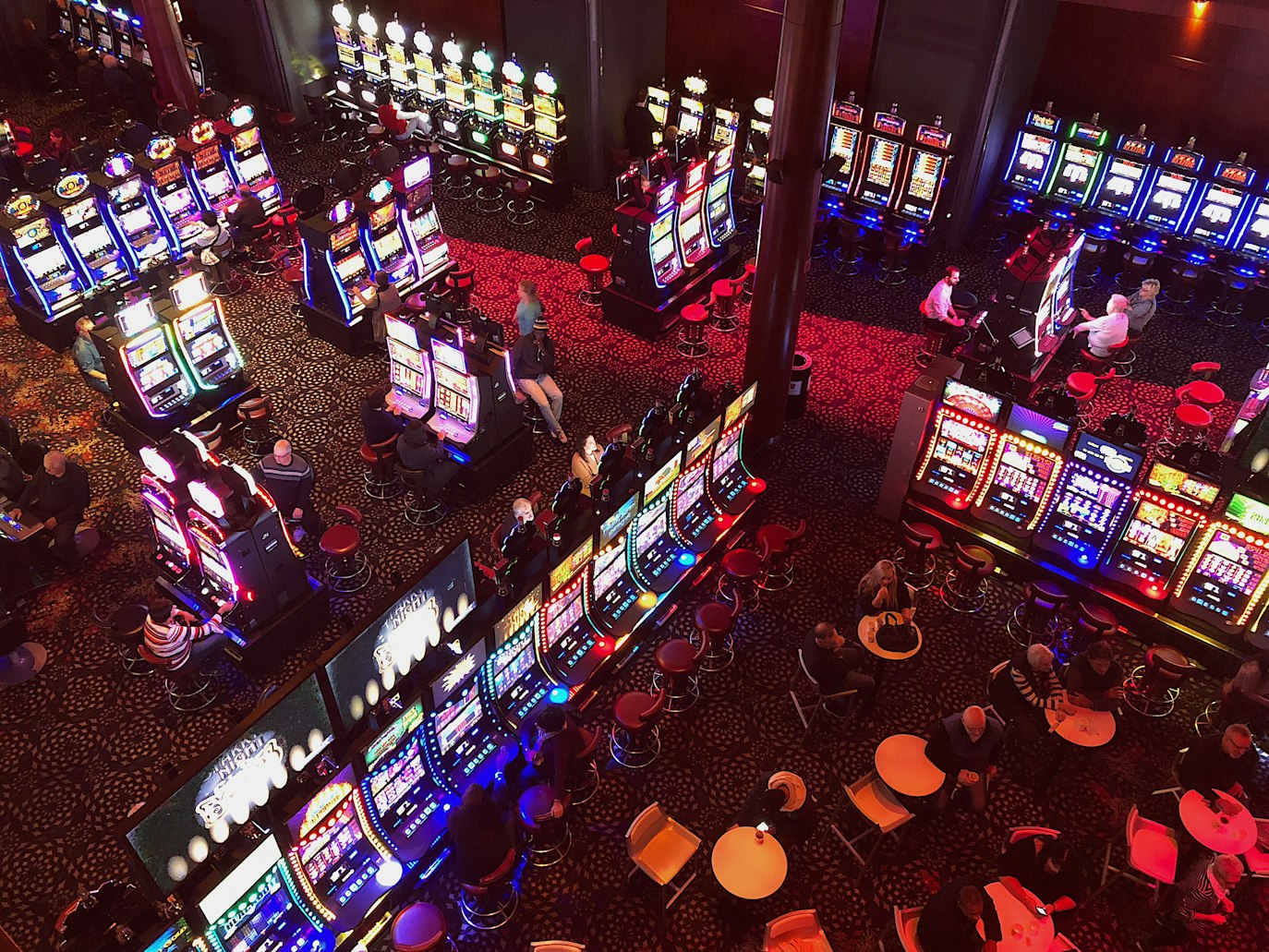
The 20th century ushered in an era of rapid technological advancement that significantly transformed gambling. The introduction of slot machines in the early 1900s provided a new and exciting form of gaming that attracted countless players. These machines quickly became a staple in bars and casinos, offering players the thrill of chance with minimal effort. Their simplicity and enticing payouts made them wildly popular, laying the foundation for the massive gaming industry we see today.
With the advent of the internet in the late 20th century, online gambling emerged, revolutionizing the way people engaged with games of chance. Online casinos and betting platforms allowed players to gamble from the comfort of their homes, broadening the accessibility of gambling. This digital shift led to the development of new games and betting options, attracting a global audience.
As technology continued to evolve, so did the gambling experience. The introduction of mobile gaming apps enabled players to gamble on-the-go, further integrating gambling into everyday life. Innovations like live dealer games provided an immersive experience, bridging the gap between online and physical casinos. Today, technology plays a crucial role in shaping gambling trends, influencing how games are played and experienced across the globe.
The Future of Gambling and Its Online Evolution
Looking ahead, the future of gambling appears to be heavily influenced by ongoing technological advancements and shifting societal attitudes. As virtual reality and augmented reality technologies develop, they hold the potential to create fully immersive gambling experiences that could transform traditional casinos and online gaming platforms alike. Players may find themselves engaging in entirely new ways, enhancing the thrill of gambling.
Moreover, the legalization of gambling in various jurisdictions worldwide indicates a growing acceptance of this form of entertainment. Governments are increasingly recognizing the economic benefits of regulated gambling, leading to the establishment of frameworks that promote responsible gambling while also generating substantial revenue. This trend is expected to continue, further embedding gambling into mainstream culture.
As online gambling continues to flourish, with an emphasis on user experience and community engagement, players can expect more personalized and dynamic gaming options. Enhanced security measures and streamlined payment methods will ensure a safer environment for users, ultimately fostering a more positive gambling experience in the years to come. The evolution of gambling is ongoing, and its future promises to be as exciting as its storied past.
Your Guide to Modern Gambling Experiences
For enthusiasts seeking fast and efficient gambling experiences, our platform offers comprehensive insights into the best online casinos available today. We prioritize quick withdrawal options, ensuring players can access their winnings swiftly and securely. Our reviews and comparisons of the top instant payout sites allow you to make informed decisions based on your preferences and gaming habits.
With a focus on advanced payment methods and streamlined verification processes, we aim to simplify your online gambling journey. Discover lucrative bonuses and extensive game libraries tailored to your interests, providing you with a wide range of choices. Whether you’re a seasoned player or a newcomer, our vibrant community offers support and resources to enhance your gaming experience.
Join us as we explore the dynamic world of online gambling, where innovation meets tradition, and each player’s journey is unique. With our guidance, you can enjoy an engaging and rewarding gambling experience that aligns with your expectations and needs.