
Exploring how cultural perspectives shape gambling behavior across the globe
The Role of Culture in Gambling Norms
Cultural perspectives significantly influence gambling behavior, shaping not only individual attitudes but also societal norms. In many cultures, gambling is viewed with skepticism or outright disapproval, reflecting moral and ethical beliefs. For instance, in predominantly Muslim countries, gambling is often prohibited by religious doctrines, leading to a cultural stigma surrounding any form of betting. This cultural disapproval manifests in legal restrictions and a lack of public venues for gambling activities, effectively limiting the practice. In more open societies, individuals can freely explore options, such as at Casabet, where various games are readily available.

Conversely, in Western societies such as the United States and Australia, gambling is generally accepted and integrated into social life. Casinos, sports betting, and lottery systems are widely promoted and viewed as forms of entertainment. Here, the cultural perspective embraces the idea of personal responsibility and the right to choose. This acceptance can be seen in community events centered around gambling, such as poker nights or charity events involving raffles, which contribute to a culture that normalizes betting and gambling activities.
Furthermore, indigenous cultures often have their own unique relationships with gambling. For example, in some Native American communities, casinos have become significant sources of revenue, providing economic opportunities and a means of cultural expression. Here, the act of gambling is not just about winning money; it is interwoven with cultural identity and heritage. This complex interplay highlights how cultural perspectives shape not just the practice of gambling, but also its societal implications and acceptance levels.
Psychological Factors Influencing Gambling Behavior
The psychology behind gambling is profoundly affected by cultural perspectives. Cultural narratives and stereotypes can shape an individual’s motivation to gamble, influencing their expectations and experiences. In cultures where luck is a dominant theme, such as in many Asian cultures, people may engage in gambling practices that align with traditional beliefs about fate and chance. This can lead to a heightened sense of optimism and a greater willingness to take risks in gambling scenarios.
In contrast, cultures that emphasize rationality and individual decision-making may foster a more strategic approach to gambling. For instance, in countries where financial prudence is valued, players might prioritize bankroll management and strategic gameplay over purely luck-based activities. This psychological orientation not only affects the types of games chosen but also the overall experience and outcomes of gambling activities, as individuals weigh their options through a cultural lens.
Moreover, the societal perception of winning and losing can vary dramatically across cultures. In some cultures, a loss might lead to shame or social stigma, discouraging individuals from participating in gambling altogether. In others, losses may be viewed as part of the game, fostering a more resilient attitude toward gambling. This variability in psychological responses underscores the significance of cultural context in shaping gambling behavior and experiences worldwide.
Impact of Social Dynamics on Gambling Practices
Social dynamics play a crucial role in shaping gambling behaviors across different cultures. In some societies, gambling is deeply embedded in communal activities, where friends and family come together to participate in gaming events. This socialization aspect can enhance the appeal of gambling, making it a collective experience rather than an individual pursuit. For example, in many cultures, festivities or celebrations may include gambling games as a way to foster bonds and create shared memories among participants.
On the other hand, in cultures where gambling is viewed negatively, individuals may feel isolated when engaging in these activities. The fear of judgment can deter potential gamblers, creating a divide between social acceptance and personal interest. This reluctance can lead to underground gambling practices, which may lack regulatory oversight and present higher risks. As a result, individuals may find themselves caught between cultural expectations and their personal desires to gamble.
Additionally, the rise of online gambling platforms has transformed social dynamics surrounding gambling. Digital platforms allow individuals to engage in gambling activities regardless of their cultural or social environments. This transition can dilute cultural norms related to gambling, creating a more globalized perspective that often prioritizes access and convenience over traditional values. The social dynamics of gambling, therefore, continue to evolve as cultural contexts shift and adapt to new technological realities.
Legal and Regulatory Frameworks Shaped by Culture
Legal frameworks governing gambling practices are heavily influenced by cultural perspectives. In many countries, laws are established based on collective moral views, resulting in varying levels of legality and regulation. For instance, countries like the United Kingdom have embraced gambling by creating structured regulations, allowing for a diverse range of gambling options from casinos to online betting. This legal acceptance reflects a broader societal tolerance and understanding of gambling as a recreational activity.
Conversely, regions where gambling is culturally stigmatized often have stringent laws in place that limit or outright ban gambling activities. In these areas, laws serve not only to regulate but also to reinforce cultural norms that oppose gambling. Such legal restrictions can create an underground gambling market that thrives outside the realm of oversight, leading to potential exploitation and risks for individuals involved.
Moreover, the globalization of gambling, particularly through the internet, has raised complex legal and regulatory challenges. Many countries are grappling with how to manage online gambling when cultural perspectives vary significantly from one region to another. This dilemma highlights the need for a balanced approach that respects cultural values while ensuring player protection and fair practices in an increasingly interconnected world. As such, understanding the interplay between culture and law is essential for navigating the future of global gambling practices.
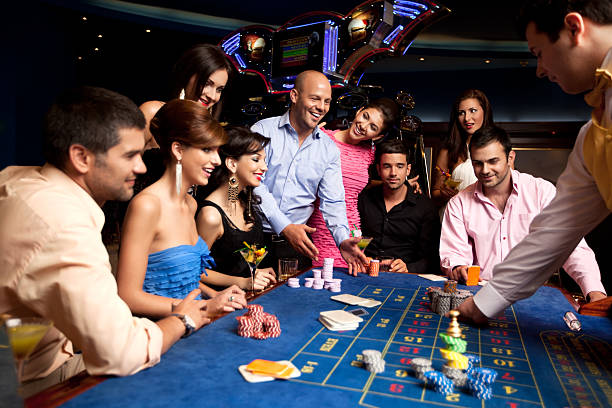
Casabet Casino: A Cultural Gateway to Gaming
Casabet Casino exemplifies the integration of diverse cultural perspectives within the gambling space. Offering a wide range of games including slots, table games, and live casinos, it caters to a global audience that reflects varying cultural attitudes toward gaming. The platform’s design emphasizes user experience and accessibility, welcoming players from different backgrounds to engage in a shared passion for gaming.
Additionally, Casabet Casino promotes responsible gaming by implementing features that encourage players to manage their bankroll effectively. This aligns with the evolving cultural recognition of gambling as both a form of entertainment and a potential risk. By offering resources and support, Casabet Casino fosters an environment where players can enjoy their gaming experience while being mindful of their limits.
In conclusion, the cultural perspectives that shape gambling behavior are complex and multifaceted. Platforms like Casabet Casino serve as gateways that not only provide access to a wide variety of games but also respect and reflect the diverse cultural nuances associated with gambling worldwide. As gambling continues to evolve, understanding these cultural dimensions will be crucial for fostering a responsible and inclusive gaming environment.