
The Allure of High-Stakes Gambling
High-stakes gambling captivates many individuals, drawing them into the luxurious world of casinos where fortunes can be won or lost in mere moments. This allure is often underpinned by a complex interplay of psychological factors, including thrill-seeking behavior and the adrenaline rush associated with risk-taking. The environment of a casino, designed to heighten excitement and temptation, plays a crucial role in attracting high-rollers. Many players also find that engaging in online slots real money illinois adds an extra layer of excitement, providing new avenues for potential wins.
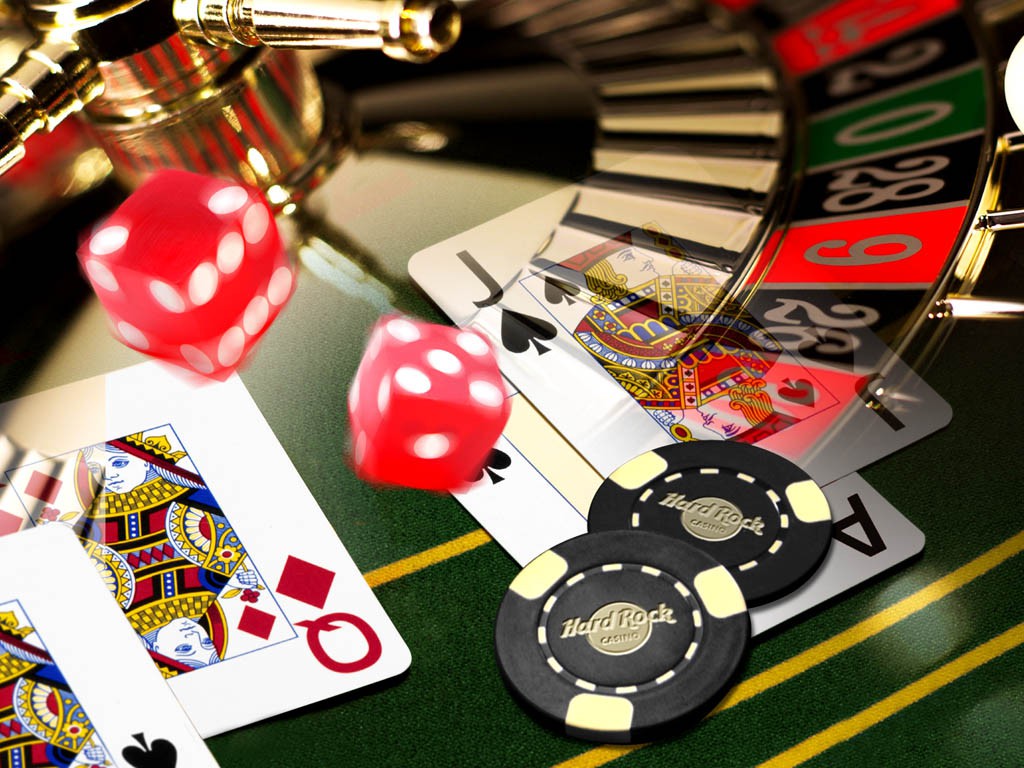
The ambiance of bright lights, engaging sounds, and the presence of wealth all contribute to a unique sensory experience that can be addictive. For many, high-stakes gambling is not merely about the potential financial gains but also about the social status and prestige that accompany large bets. The thrill of risking significant sums can create a powerful narrative of personal triumph and accomplishment.
The Role of Cognitive Biases
Cognitive biases significantly influence how individuals perceive their chances of winning in high-stakes gambling scenarios. For instance, the illusion of control makes players believe that they can influence outcomes, particularly in games like poker or blackjack where skill is involved. This cognitive distortion can lead players to underestimate the house edge and overestimate their chances of success.
Additionally, the availability heuristic allows players to recall recent wins more vividly than losses, reinforcing the belief that they are on a winning streak. This skewed perception can perpetuate gambling behavior, as individuals remember the highs but forget about the inevitable lows, drawing them back for just one more chance at victory.
The Social Dimension of Gambling
High-stakes gambling is often a social endeavor, where individuals gather in glamorous settings to compete against each other. This social aspect can amplify the psychological appeal, as the shared experience of risk-taking fosters camaraderie among players. The communal atmosphere can enhance the thrill, making losses more bearable and wins even more celebrated.
Moreover, the influence of social norms and peer pressure can play a substantial role in encouraging high-stakes gambling. Individuals may feel compelled to engage in these activities to gain acceptance among their peers, reinforcing behaviors that might otherwise seem excessive. This social validation can trap players in a cycle where their gambling habits are fueled by the desire for belonging and recognition.
The Impact of Emotions on Gambling Decisions
Emotions significantly affect gambling decisions, often leading players to gamble recklessly when experiencing heightened feelings of excitement or despair. The concept of “loss chasing,” where individuals continue to bet in hopes of recovering their losses, is a common emotional response that can exacerbate financial pitfalls. This cycle of emotions can cloud judgment, pushing players to take larger risks than they typically would.
Likewise, winning can elicit feelings of euphoria, prompting players to extend their gambling sessions in pursuit of those intense emotional highs. These emotional fluctuations underscore the volatile nature of gambling, where psychological states can dramatically alter decision-making processes, sometimes with devastating consequences for those involved.

Taking Control of Gambling Behavior
Understanding the psychological aspects of high-stakes gambling can empower individuals to make informed choices regarding their gambling habits. Recognizing cognitive biases and emotional triggers can help players develop better strategies for managing their gambling behavior and setting limits to protect their financial well-being. It’s essential for gamblers to cultivate self-awareness about their motivations and risk tolerance.
The journey toward responsible gambling can be bolstered by seeking resources and support when needed. Many organizations provide guidance and tools to help individuals navigate the complexities of gambling psychology. By fostering an environment of awareness and education, it’s possible to enjoy casino experiences without succumbing to the darker sides of high-stakes gambling.