
Understanding the psychology behind gambling behavior in casinos
The Allure of Casinos
Casinos are designed to entice and engage players through a combination of vivid colors, enticing sounds, and the thrill of potential winnings. As you explore this immersive environment, you might want to check out NikaSpin Casino, where the stimulation of the senses creates a psychological rush that draws individuals in. The prospect of winning money can trigger a dopamine release in the brain, reinforcing the desire to return to the gaming floor. This phenomenon is akin to other forms of addictive behavior, where the thrill of risk can lead to repeated attempts to capture that initial high.

Moreover, casinos often utilize various psychological tactics to create an atmosphere of excitement. For instance, the layout of a casino is intentionally confusing, ensuring that patrons must navigate through a labyrinth of games and distractions. This disorientation can lead to extended playtime, as players feel compelled to explore every corner in search of the next jackpot. The absence of clocks and windows further reinforces this sense of timelessness, allowing individuals to lose track of how much time has passed.
The social aspect of gambling also plays a significant role in attracting players to casinos. Many people enjoy the camaraderie that can develop around card tables or slot machines. This communal experience fosters a sense of belonging and can enhance the overall enjoyment of the gambling experience. Social interactions can encourage players to continue gambling, as they feed off the energy of others around them, creating an environment that feels both exciting and supportive.
The Role of Risk and Reward
Understanding the psychology of gambling behavior requires a closer look at the concepts of risk and reward. Many individuals are drawn to the thrill of taking risks, which can create an adrenaline rush akin to extreme sports. This excitement is often magnified in a casino setting, where the potential for significant financial gain outweighs the fear of loss. The thrill of risking money plays into the natural human inclination toward thrill-seeking, encouraging repeat visits to casinos. Among the top casino games to try, players often find that high-stakes options can amplify these feelings further.
Additionally, the reward system in gambling is meticulously crafted to keep players engaged. The near-miss phenomenon is a prime example of this, where players often feel they were close to winning, even if they didn’t. This feeling can be incredibly motivating, propelling players to continue betting in the hopes of eventually hitting the jackpot. Gamblers often rationalize losses by recalling these near-misses, believing that they are just one step away from success.
The financial stakes associated with gambling further complicate this relationship with risk and reward. Many players may be drawn to higher-stakes games, believing that larger bets will yield more significant rewards. This connection between the amount wagered and the perceived excitement can lead individuals to make impulsive decisions, ignoring their rational financial limits. Understanding these dynamics is essential in recognizing how gambling behavior can escalate and lead to problematic habits.
Cognitive biases significantly influence gambling behavior, often leading individuals to make irrational decisions. One common bias is the illusion of control, where players believe they can influence outcomes in games that are purely chance-based, such as slots or roulette. This belief can encourage players to engage more with games, as they feel empowered and capable of winning through skill rather than luck, despite the inherent randomness of the outcomes.
The gambler’s fallacy is another prevalent cognitive bias that impacts decision-making. This occurs when individuals assume that past events influence future outcomes in a random game. For example, a player might believe that a particular slot machine is “due” for a win after a series of losses. Such beliefs can lead to prolonged gambling sessions, as individuals chase losses and continue playing in hopes of an eventual win that may never materialize.
Moreover, cognitive dissonance can come into play when individuals face losses. Instead of accepting the reality of their situation, gamblers may justify their continued play by focusing on previous wins or the notion that they will eventually recoup their losses. This mental conflict can perpetuate a cycle of gambling behavior, leading to increased risks and potentially harmful consequences as individuals ignore the rational signals to stop.
Emotions play a crucial role in shaping gambling behavior. Many individuals turn to gambling as a means of coping with stress, anxiety, or depression. The excitement and distraction provided by casinos can serve as an escape, providing a temporary reprieve from the challenges of everyday life. Unfortunately, this emotional reliance on gambling can lead to problematic behavior, as individuals may seek out gambling as a primary coping mechanism.
The emotions experienced during gambling can also fluctuate significantly, further complicating the experience. Winning can create feelings of euphoria and exhilaration, reinforcing the desire to continue playing. Conversely, losses can result in frustration and disappointment, which may lead players to gamble even more in an attempt to regain what they lost. This emotional rollercoaster can create a vicious cycle, wherein the highs and lows of gambling drive individuals deeper into their habits.
Additionally, the competitive nature of gambling can heighten emotional responses. Players may feel compelled to outdo their peers or to compete for a perceived status within their social circles. This competitive spirit can enhance the thrill of gambling but can also lead to reckless behavior as individuals strive to maintain their position or impress others. A deeper understanding of these emotional dynamics is essential in addressing the psychological factors that contribute to gambling behaviors.
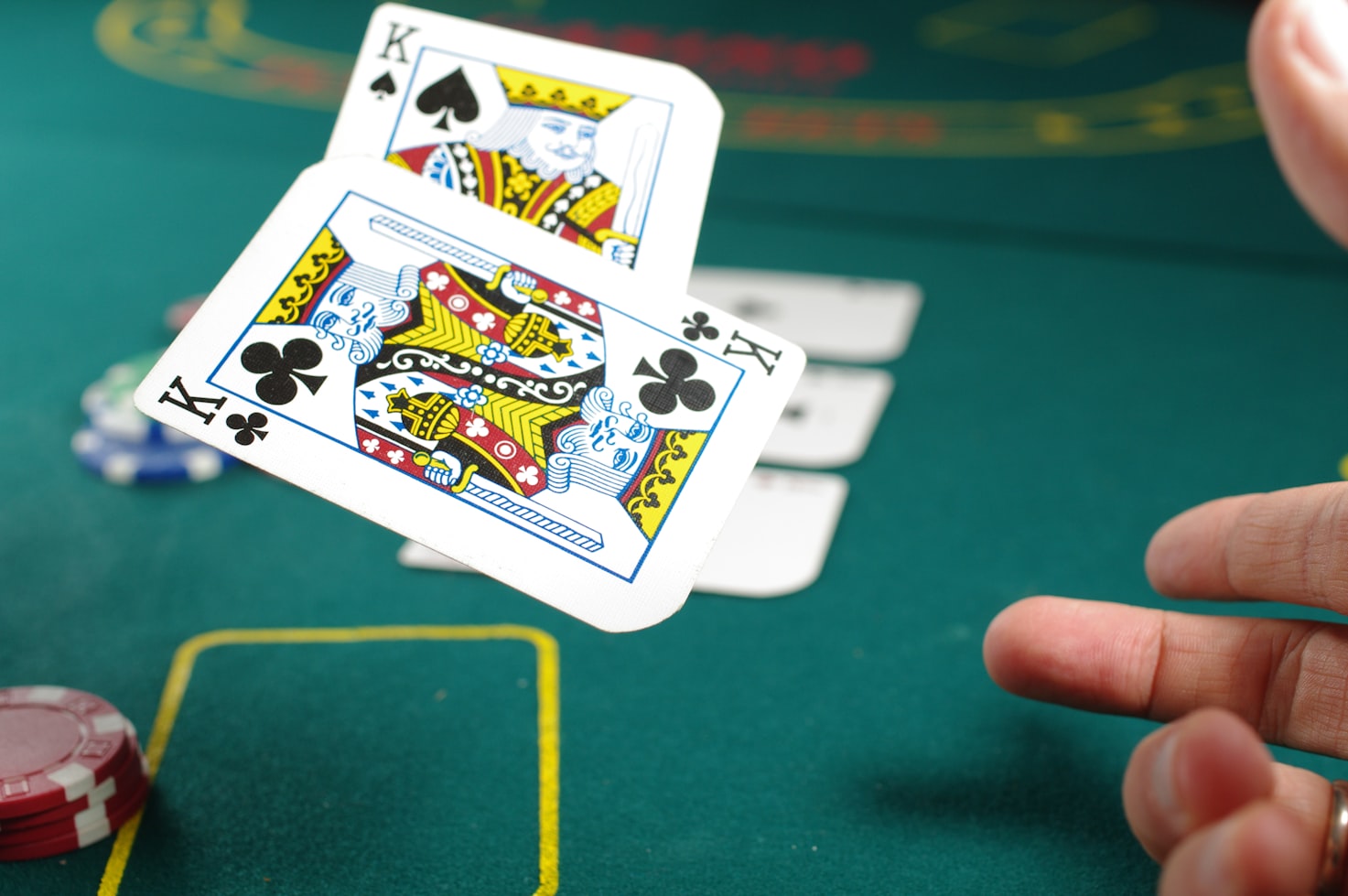
NikaSpin Casino exemplifies the intricate relationship between psychology and gambling behavior by offering a dynamic online gaming experience. With a vast selection of over 5,000 games, including slots and live dealer options, players can find something that suits their preferences and enhances their gaming experience. The casino is designed to stimulate engagement, making it an attractive option for both seasoned gamblers and newcomers.
The platform’s generous welcome bonus, which includes up to 400% in bonuses and 350 free spins, caters to players’ psychological tendencies to seek out value and potential rewards. This approach not only incentivizes initial play but also plays into the cognitive biases that encourage continued engagement. By providing significant rewards, NikaSpin Casino taps into the thrill-seeking aspect of gambling, drawing players into their gaming environment.
With a focus on security and a commitment to user satisfaction, NikaSpin Casino aims to create a smooth and enjoyable gaming experience. The availability of 24/7 customer support and fast transaction processing ensures that players have a seamless interaction with the platform. This commitment to user experience aligns with understanding the psychology behind gambling behavior, as a supportive environment can help foster positive experiences while minimizing potential negative impacts.